Forest
A densely grown habitat with food and wildlife scattered among its clearings.
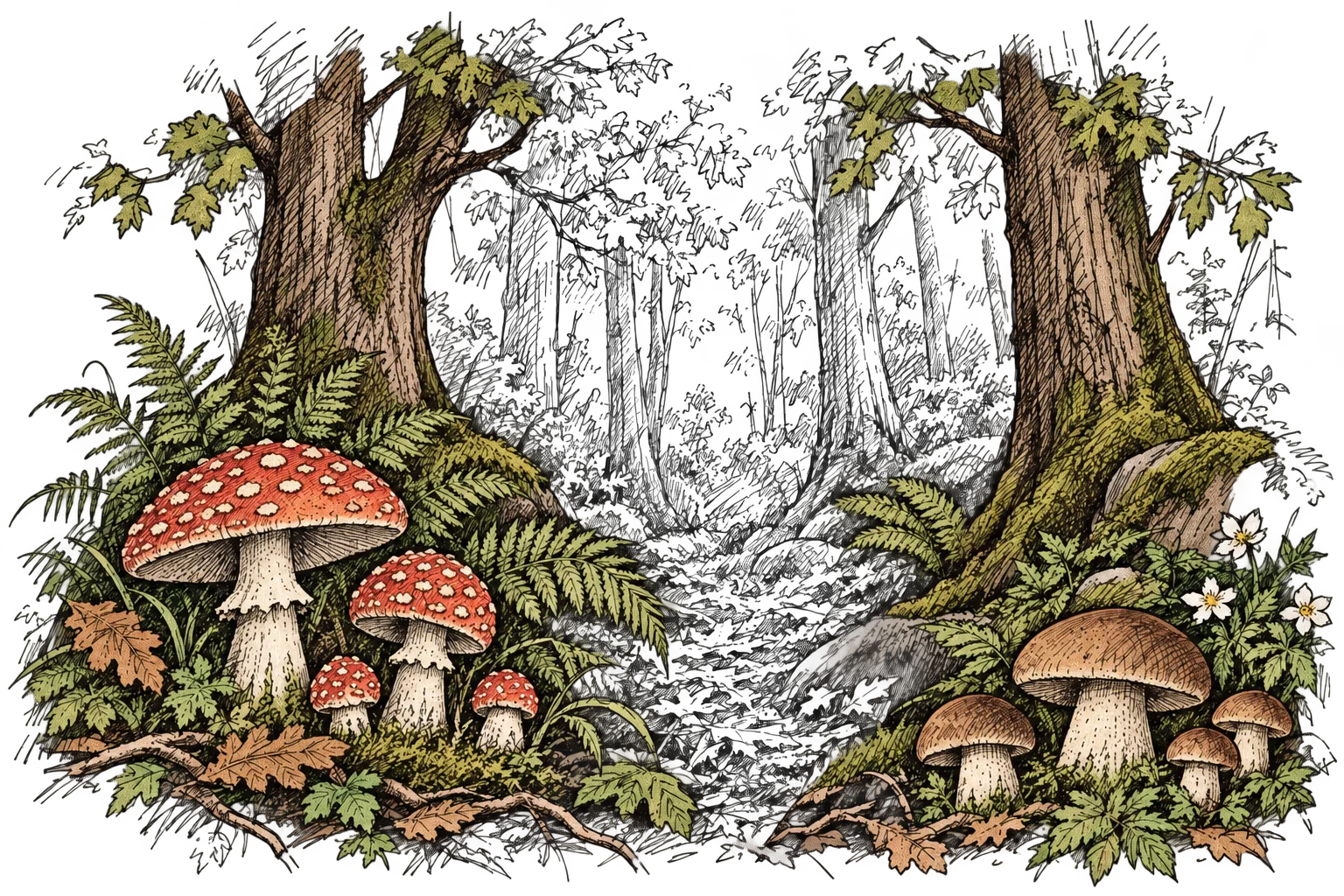
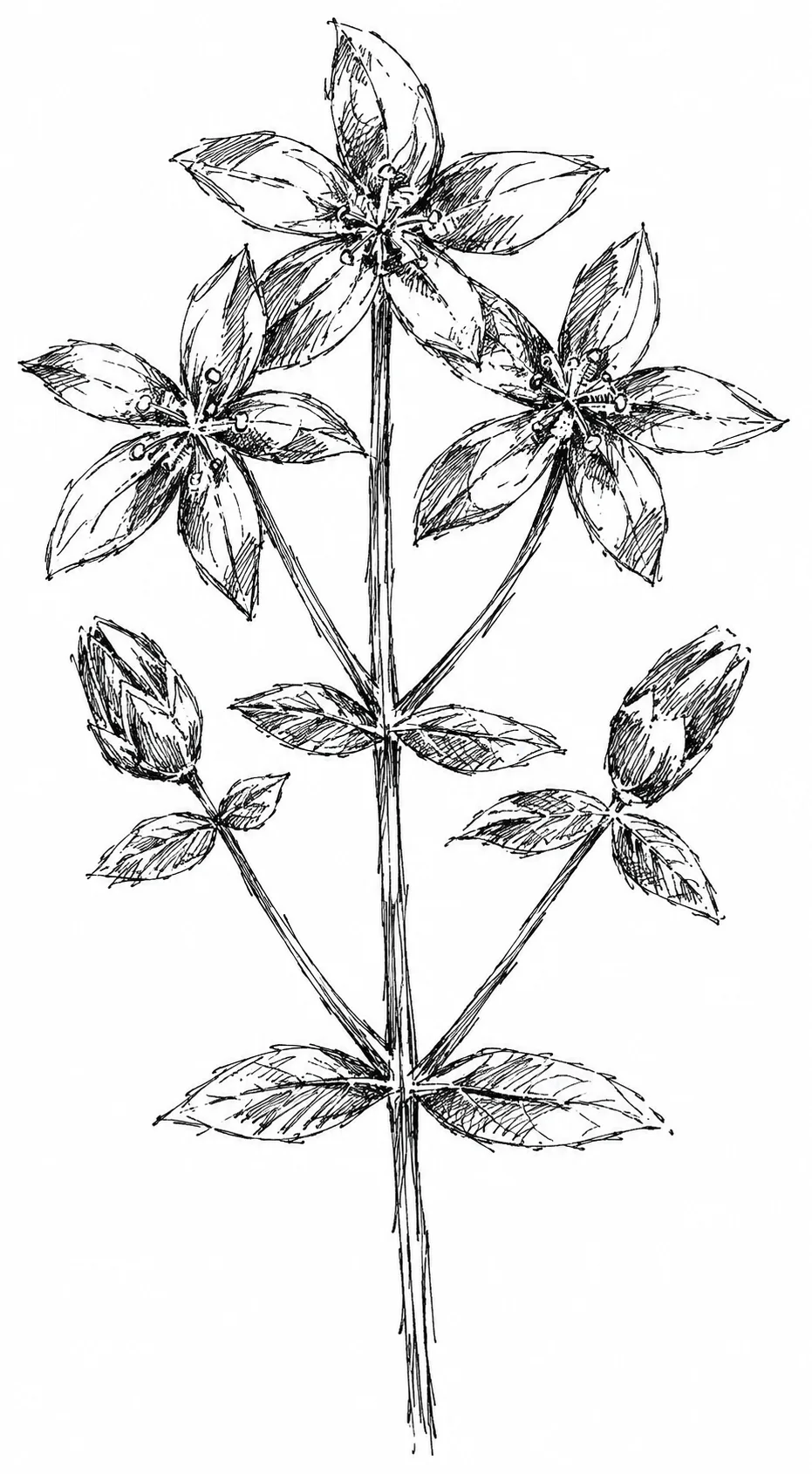
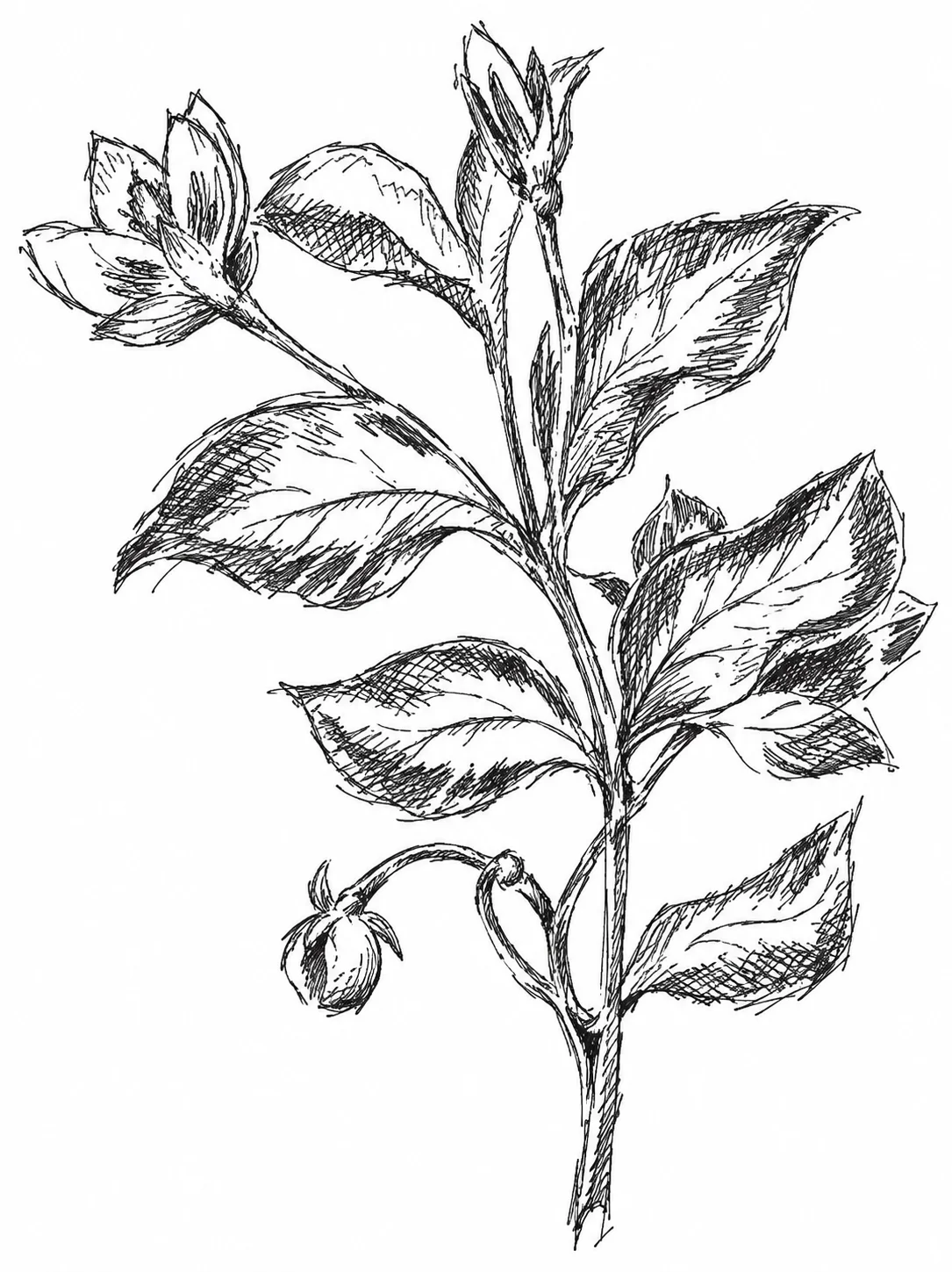
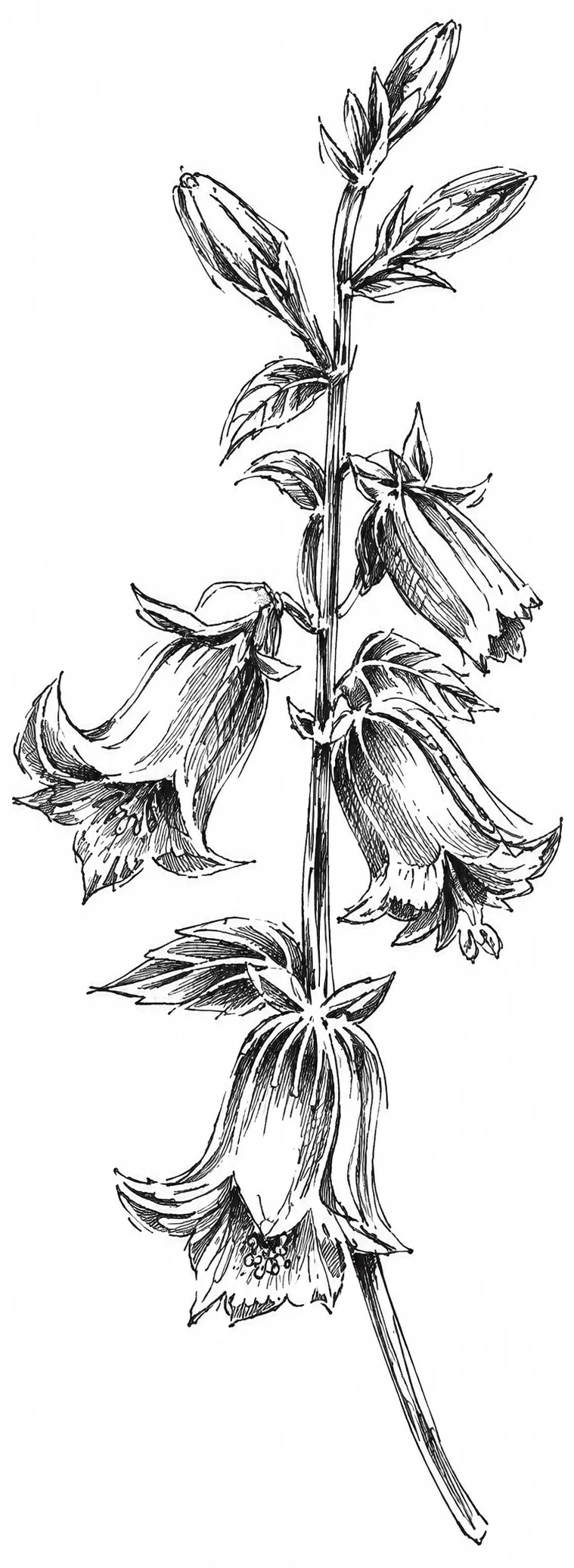
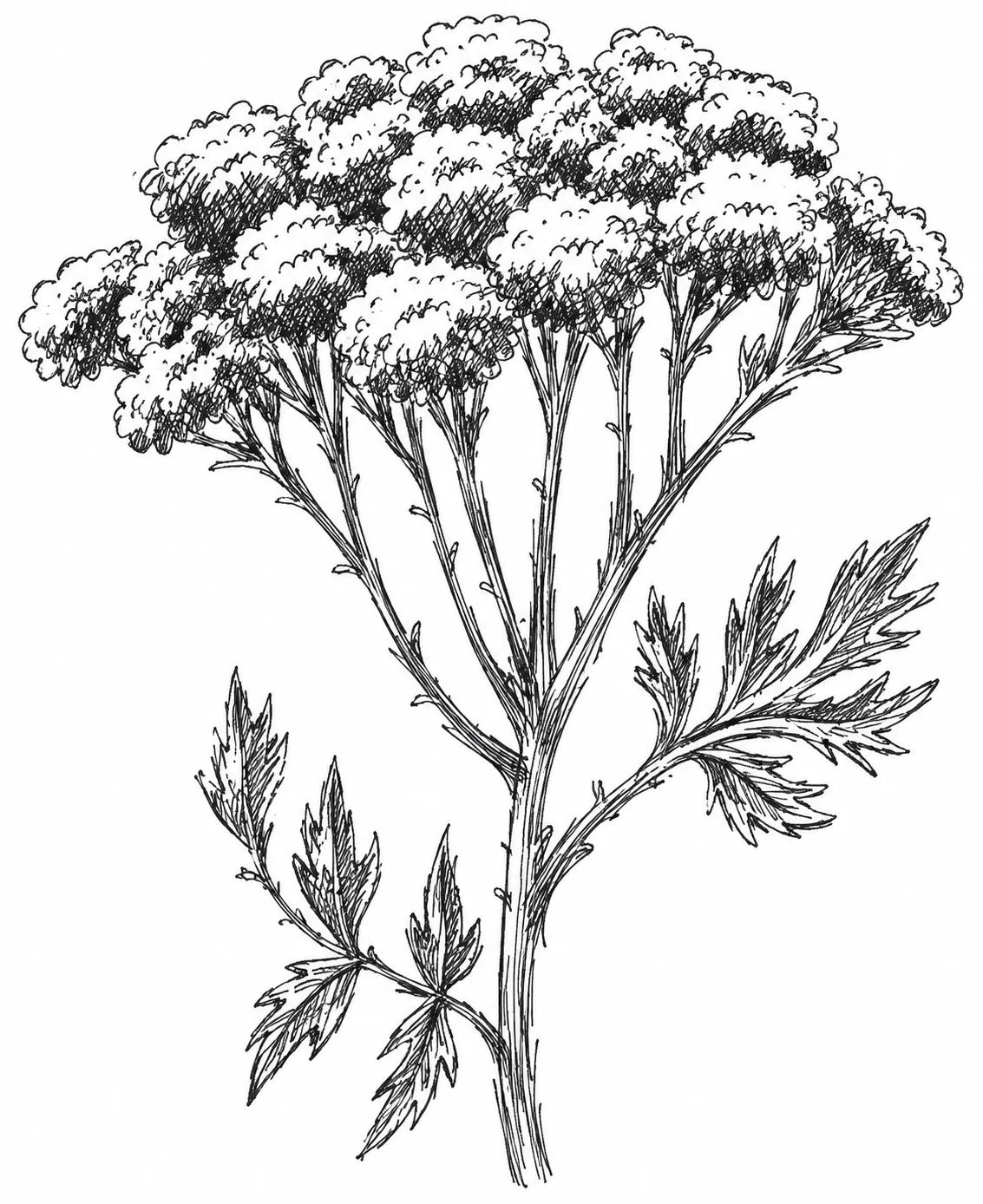
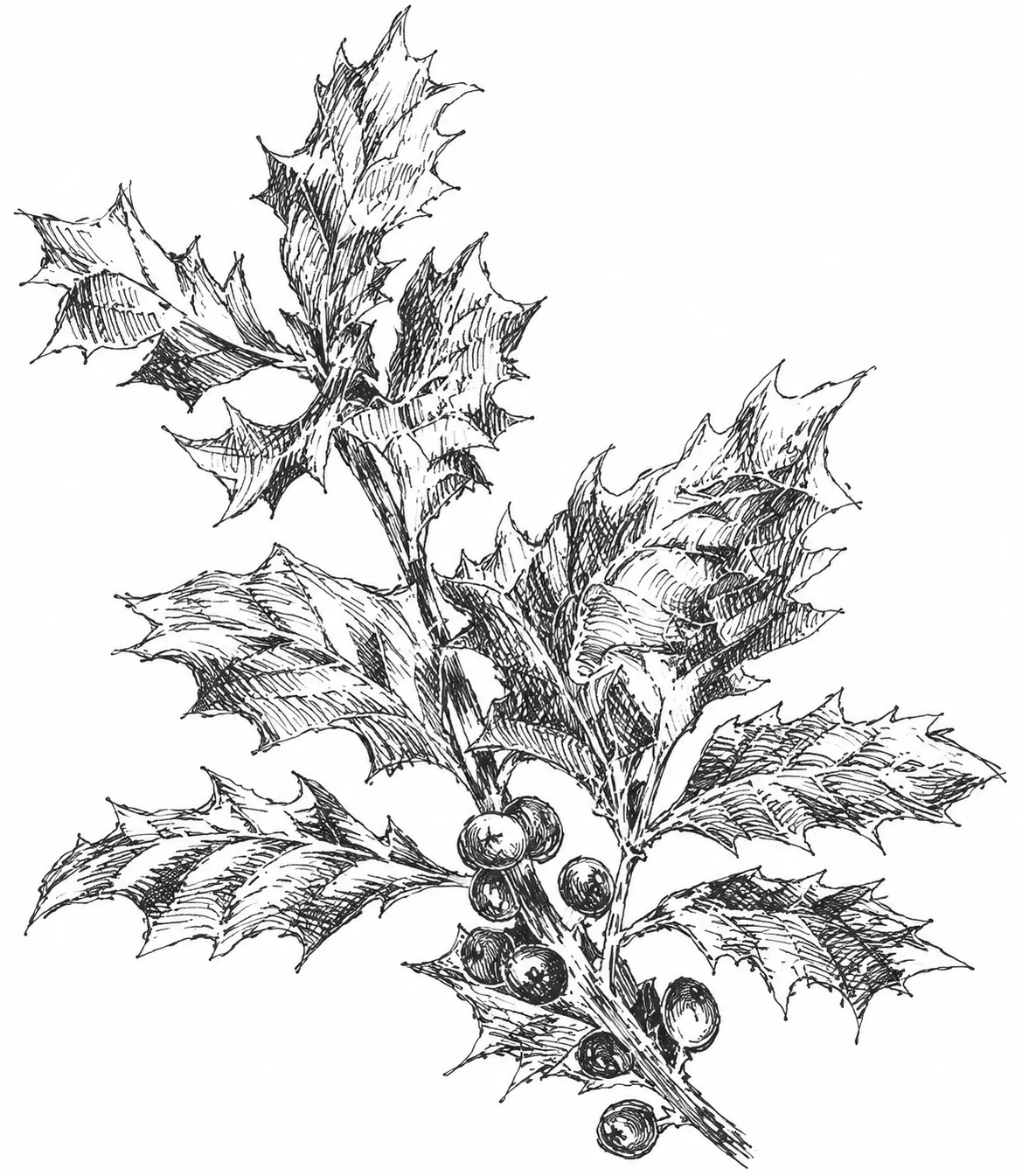
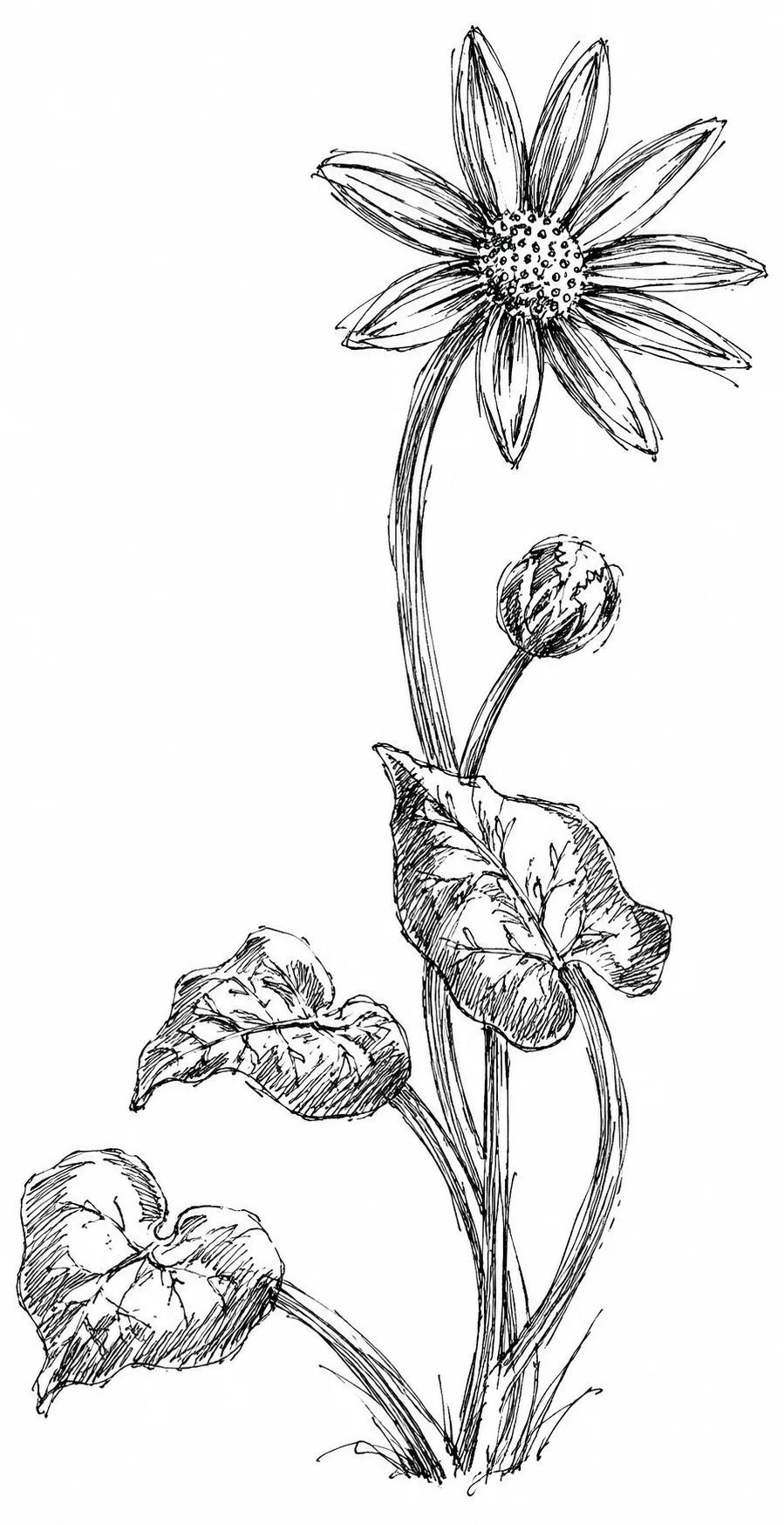
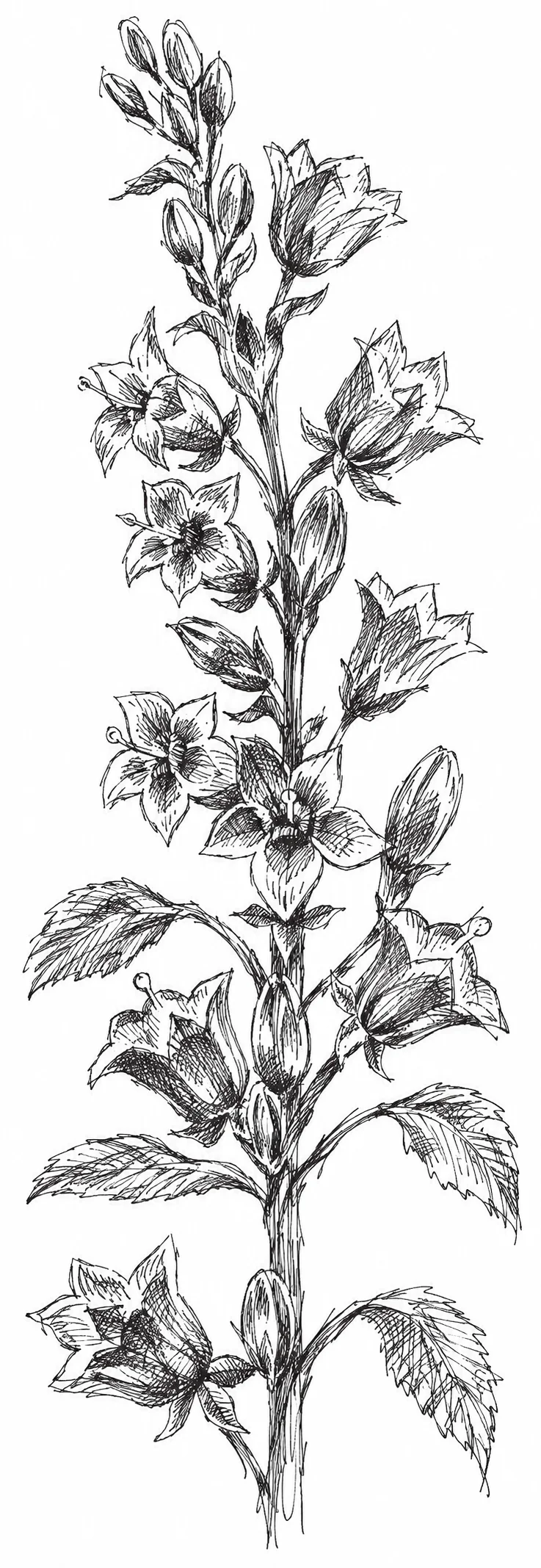
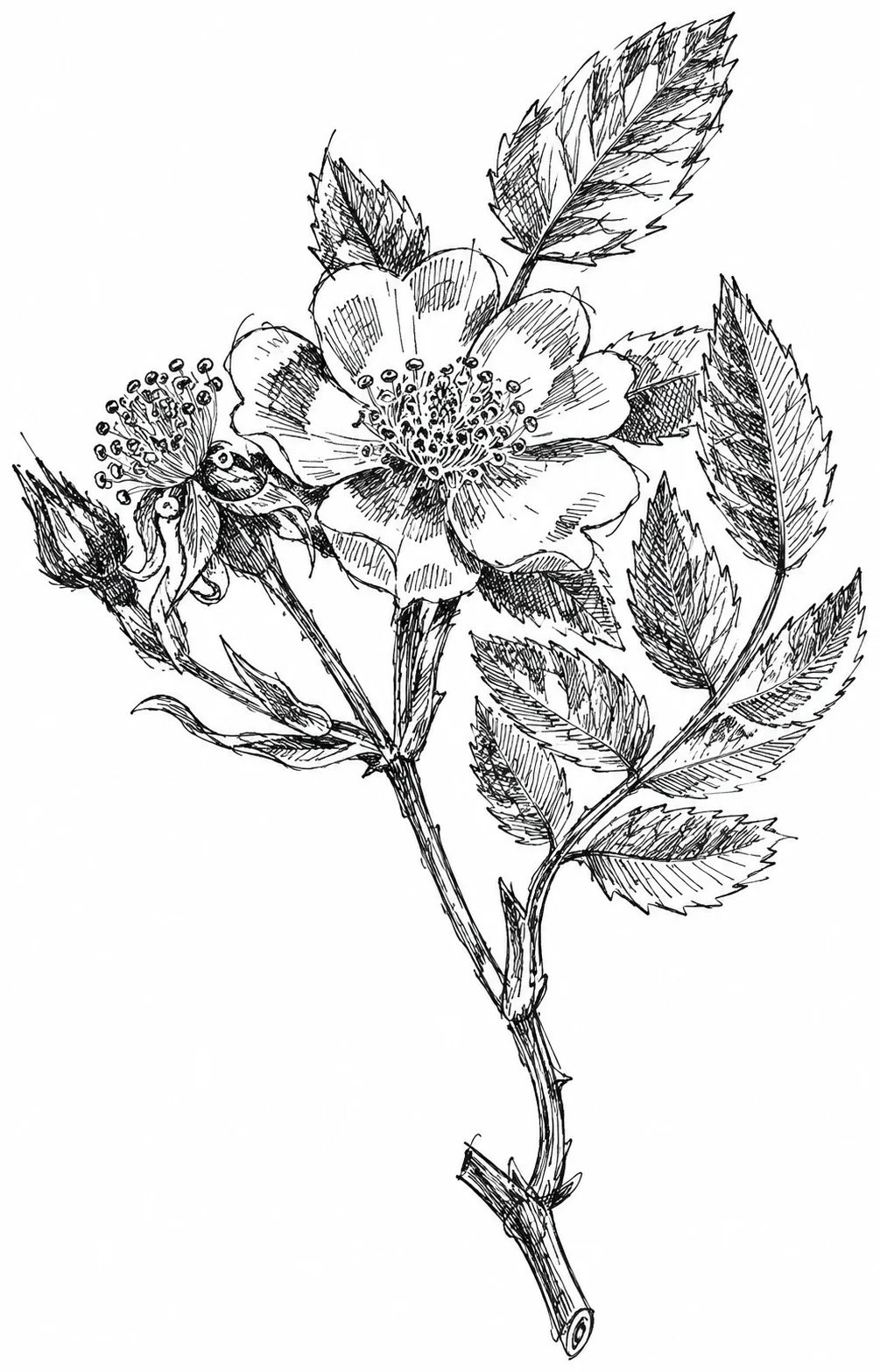
Forest plate · Dense vegetation leaves only narrow foraging routes open.
Abundance among the narrow paths
The forest looks abundant, yet its riches seldom lie in one place. Mushrooms grow among trees and clearings, animals move through the undergrowth, and water interrupts some direct routes. Foraging paths are shaped not only by distance, but by the narrow passable corridors between large plants. Its temperate baseline climate asks less immediate adjustment of known slimes than desert heat, poisonous water or the muted light of the Glowing Cave.
A small group of deer sometimes passes between the trees. When one animal notices danger, the others move too.
Passing groups and lasting territories
Hares, deer, boars and forest birds alternate between wandering, resting and fleeing. Hunting, combat or old age can leave a carcass. Deer, boars and forest birds are not replaced; when hare numbers fall, individual newcomers may arrive after long intervals. Some woodland paths instead belong to a permanent territory. Its resident strolls through the woodland by day, resting beneath trees along the way. It tolerates a persistent approach by slimes only briefly, and can be replaced by a new arrival only long after its death. Small shore-dwellers are not prey and leave no food supply.
Mushrooms after rain
Mushrooms are natural food shared by all slime species. Their regrowth does not begin with a visible counter for each mushroom: damp periods first build up growth potential. Only when a shower ends can new groups appear on suitable free ground near trees. A harvested forest therefore recovers in waves rather than steadily.

After the rain, six new mushrooms stood by the old trunk. The day before there had been only damp earth.
Beneath the roots
Nectar parcels may lie in the forest's shared underworld. They belong to no single nest and mature again after harvest. Reaching them requires an entrance and a safe chain of transport through that same underground network. Nectar satisfies no hunger; it enters a separate reserve for queens and new foundations. The glowing objects in this underworld are harmless to Gloom, even when carried elsewhere. Underground connections can also arrive here; a path beneath the roots need not lead up to the surface.
Paths, weather and traces
Rain raises humidity and makes many animals rest more often. At the same time, warning trails and other fading traces disappear faster. Dense vegetation can turn a nearby source into a long detour; water, large plants and occupied tiles determine which destinations can actually be reached. The forest is rich, but not equally accessible everywhere. A newly found clearing is useful only if a route remains open between the find, the carriers and the nest. Fresh tooth marks sometimes appear on trees near the bank. A later fallen trunk can open a narrow path again.
